

Evia
The Mainland Island
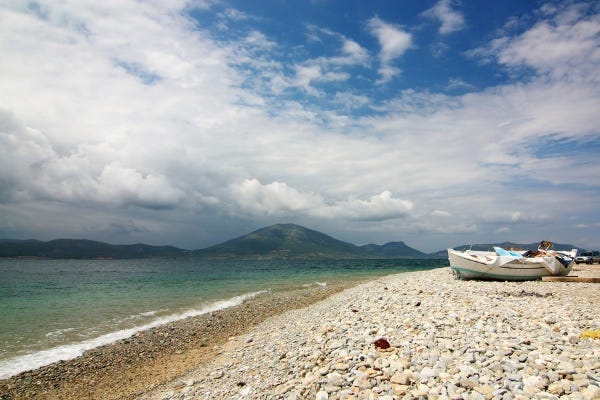
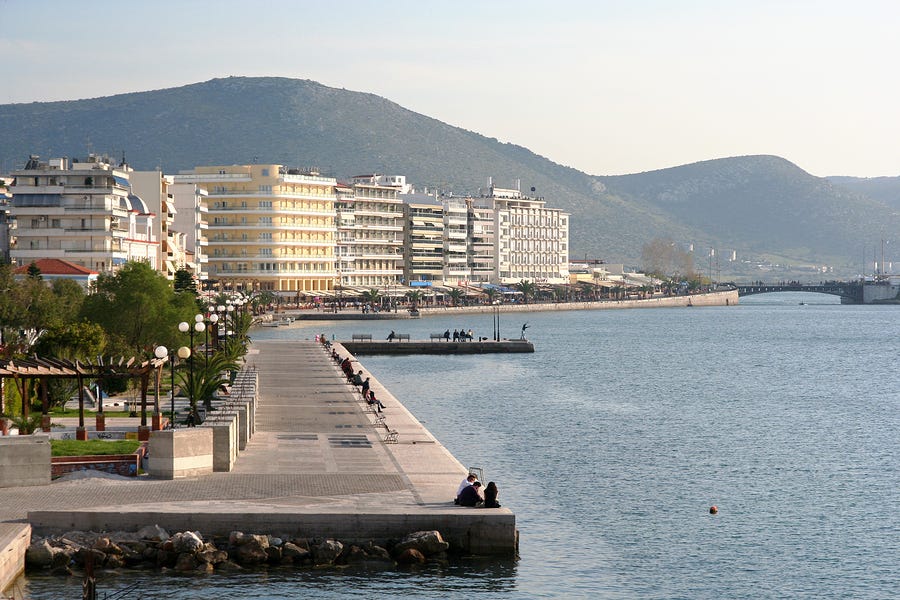
If you can’t decide whether to go to the Greek mainland or one of the Greek islands next year, there’s an easy answer. Go to Evia (or Euboea, as it’s also written). Although it’s the third-largest Greek island after Crete and Lesvos, it’s also attached to the mainland by a graceful bridge and is only a little over an hour’s drive from Athens International Airport.
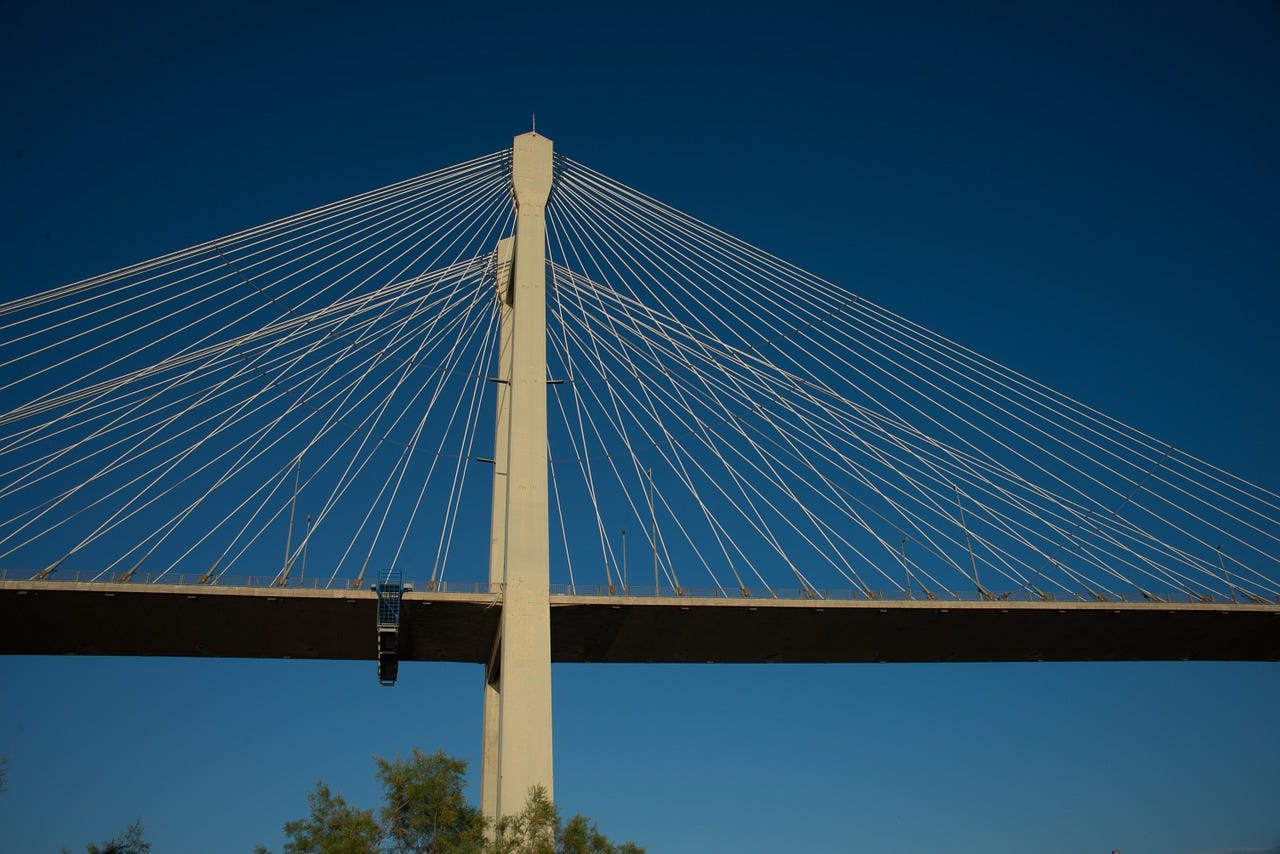
Imagine that. Pick up a car at Athens Airport and a little over an hour later you’re on a Greek island! Chalkida (or Chalcis), which the bridge takes you into, is also quite a small town for an island capital, so if you’re not familiar with driving in Greece it won’t feel intimidating.
Driving in Evia
In fact Evia is a great island for driving, as it covers an area of over 1,400 square miles (over 3,600 square kms), which is almost half the size of Crete. On our website we’ve got a page with a suggested drive in northern Evia, while our Exploring Evia page introduces the island’s main attractions.
Eretria
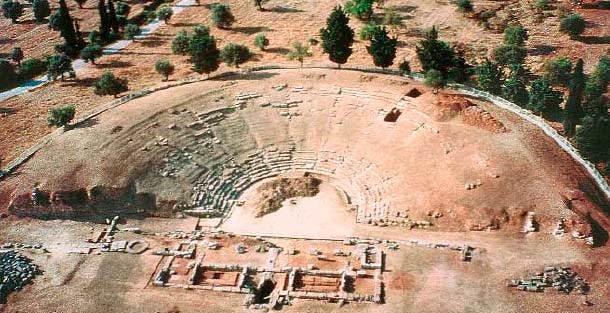
Evia is also home to a significant archaeological site: Eretria. Eretria is about a half-hour drive from Chalkida and was an important maritime hub, and fought with Chalkida for dominance of the island. What’s interesting is that the modern town has been built over and around the ancient ruins, whereas most Greek archaeological sites stand apart, the modern towns having been built near to the ruins of the original town.
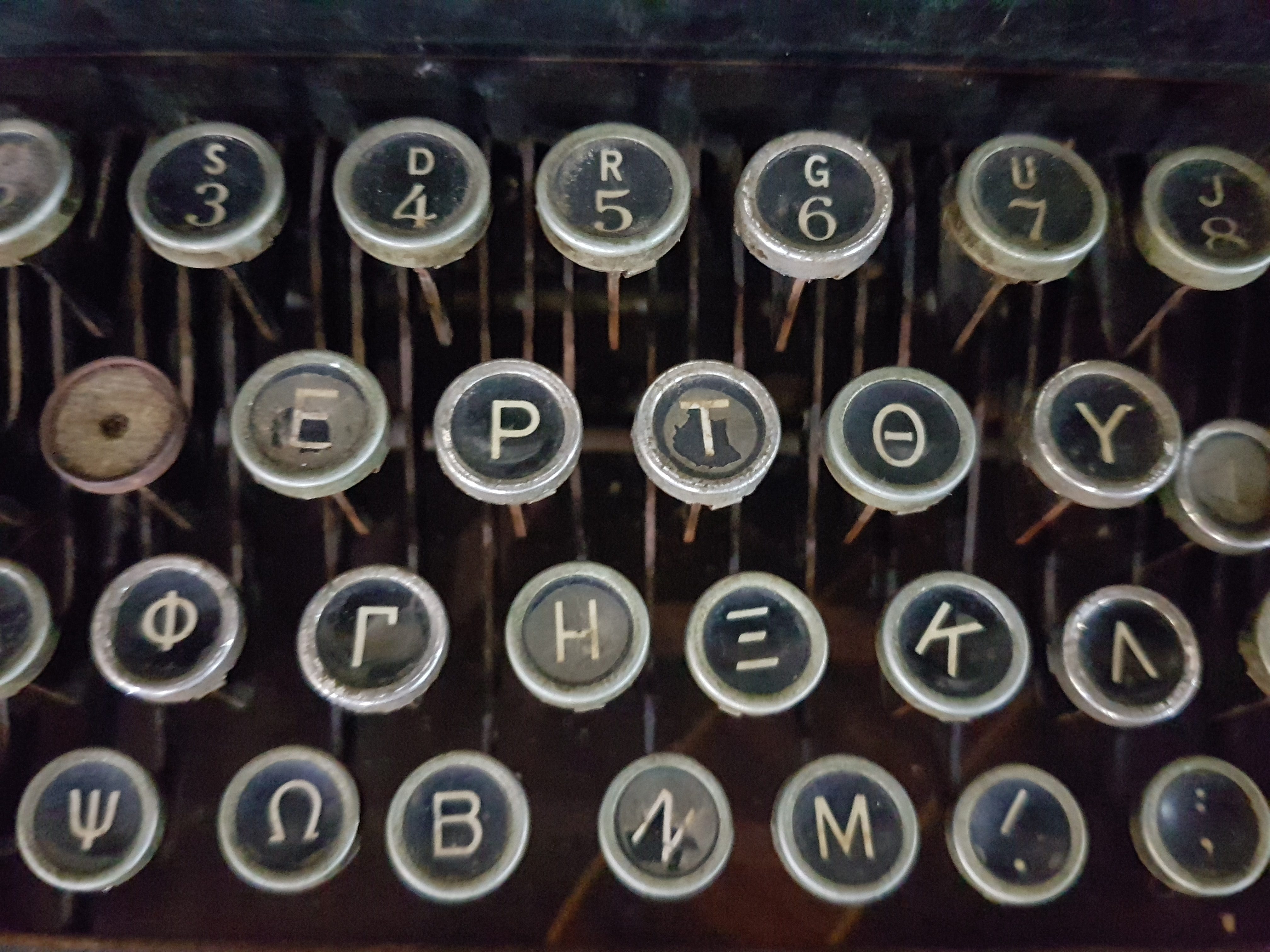
Eretria was powerful enough to have established colonies around the Black Sea and in Italy. It also played a significant role in the development of the modern Greek and English alphabets. The Ancient Greeks traded with the Phoenicians and adapted their alphabet to create one of their own by adding vowels to it. The Euboean (Evian) alphabet was one of the earliest recorded local variations, and this developed into both the modern Greek alphabet and the Etruscan alphabet, which in turn became the Latin alphabet widely used today.
Reading More About Evia
If you want to learn more about Evia, get a copy of Sara Wheeler’s fine book, Evia: Travels on an Undiscovered Greek Island. You can find it second-hand on places like Amazon. In fact we recommend any of Wheeler’s books, as she’s an excellent travel writer and has written books about Chile, Antarctica, The Arctic Circle, and Russia, amongst other places, not to mention various biographies and memoirs.
And that’s it for this newsletter.
Till next time
Mike and Donna
Interesting. When was the bridge built? We went in 2006, definitely by ferry.
We were there as part of a mountain bike trip. I was on commission to write about it for Outdoor Enthusiast, which was tricky as it was probably the most shambolic 'organised' trip I've been on. The leader was pretty amateurish; when someone picked up a minor injury he didn't take any responsibilty apart from handing a first-aid kit to my other half. And he left us for a day on Evia , seems to have assumed we'd take it as a rest day but we all wanted to ride, but with no route suggestions or useful maps it was a very improvised outing.
The next day was very windy so of course he took us over the mountain. Most of us walked down one exposed section as it felt unsafe. To underline how strong the wind was, coming back along the coast we were going in an out of some coves where we'd be pedalling hard downhill then freewheeling uphill.
But he did also take us to a mountain village (can't remember the name offhand) where they had a special whistling language for shepherds etc to communicate across the hillsides, and we had a bit of a demonstration.
I won't mention the guy's name but it was the same as a famous soul/RnB singer.
Just emailed my husband after reading and seeing the photo of the archaeological site ‘We need to go here!’